
Farming Future
Agri-Tech Revolution 2025

Traditional soil.
Digital Future.

Bridging the gap between the soil and the cloud. We equip modern agri-preneurs with real-time data and sustainable practices to lead the global landscape.

Start the Journey
Farmer accessing KhetiHelp Blog
Knowledge is the New Seed

Harvesting Better Results Through Every Post.

At KhetiHelp, we believe that the most powerful tool a farmer can own isn't a tractor—it's information. Our blog turns complex agricultural science into simple, actionable steps.

🌱

Modern Techniques, Simplified

From drip irrigation to crop rotation, we break down high-yield methods for the modern era.

🏛️

Your Government Liaison

We decode complex schemes and subsidies so you never miss out on the financial support you deserve.

🧪

Fertilizer & Soil Wisdom

Guidance on organic and chemical balance to ensure your land stays fertile for generations.

Our Journal

Featured Insights

View All Articles
AI Farming
40%

Reduction in Water Waste via Smart Sensors

Technical Edge

Precision Intelligence.

Modern agriculture isn't just about the seeds you plant; it's about the data you harvest. Our platform integrates satellite imagery and IoT soil sensors to give you a 360-degree view of your farm's health.

  • 01

    Real-time Soil Mapping

    Track nitrogen, phosphorus, and potassium levels instantly from your mobile dashboard.

  • 02

    Automated Irrigation

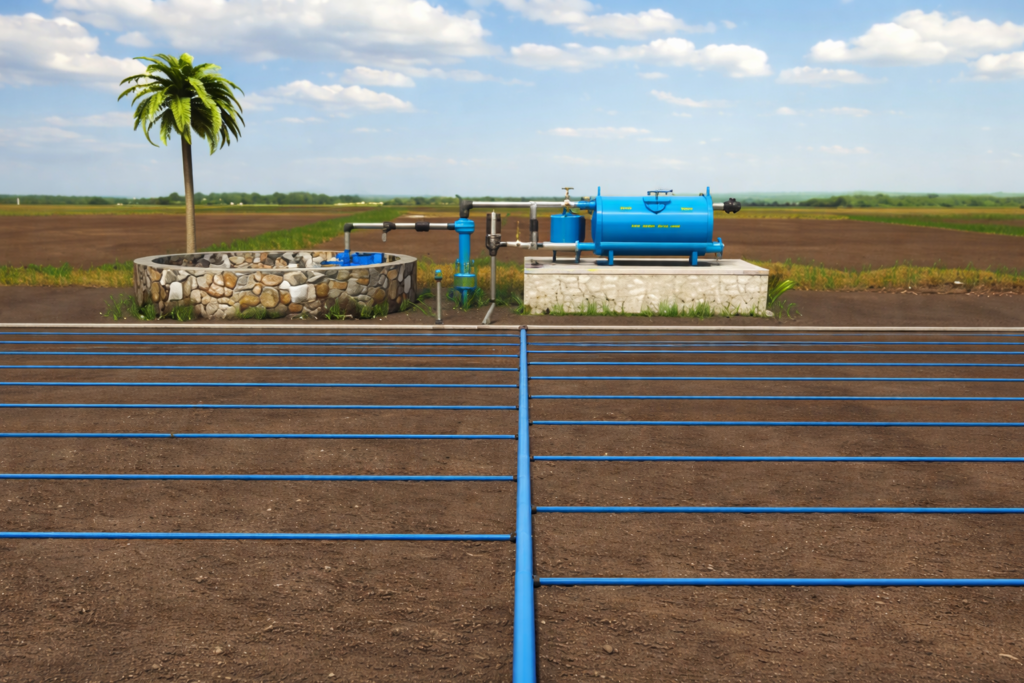
    AI-driven schedules that adjust based on hyper-local weather forecasts and evaporation rates.

The Impact

Global Scale,
Local Soil.

We empower farmers to transcend local market limitations. By combining traditional wisdom with digital transparency, we ensure every harvest reaches its maximum value.

Direct Market Access

Eliminate middlemen and connect directly with bulk buyers and international distributors.

Quality Certification

Get your produce digitally verified for organic and sustainable standards to fetch premium prices.

Farmer with Tablet
Soil Analysis
Scientific Protocol Est. Reading Time: 4 mins

The Anatomy of
Yield Potential.

Maximum grain productivity is determined months before the first sprout appears. It begins with the Cation Exchange Capacity (CEC) of your soil—a measure of how well your land holds onto essential nutrients like Potassium, Calcium, and Magnesium.

01. Organic Matter Cycling

Every 1% increase in soil organic matter can help the land hold up to 20,000 gallons more water per acre. Our blog posts guide you through the process of "No-Till" farming to preserve these vital carbon structures.

02. Microbial Symbiosis

We explore the relationship between Mycorrhizal fungi and root systems. These fungi act as an extended root network, accessing phosphorus that is otherwise locked away from the plant.

"A farmer who ignores their soil biology is simply managing a slow decline. We provide the data to manage a resurgence."

Our database includes thousands of soil profiles analyzed by our agronomy team. By publishing these findings, we empower small-hold and industrial farmers alike to move away from "blanket" fertilization and toward Variable Rate Application (VRA), which targets the specific needs of different patches within the same field.

Crop of the Month

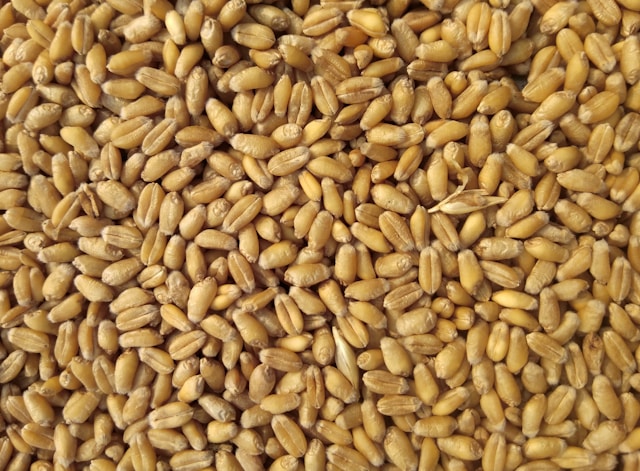
wheat

Wheat Crop Guide: Cultivation, Farming Practices, and Yield Introduction to Wheat Wheat is one of the most important cereal crops in the world and a staple food for millions of people. It belongs to the grass family and is scientifically known as Triticum. Wheat grains are used to produce flour for bread, chapati, pasta, noodles, […]

Soil & Climate

Wheat grows best in well-drained fertile loamy or clay-loam soil that has good moisture retention and proper drainage. The ideal soil pH for wheat cultivation ranges between 6.0 and 7.5, which supports healthy root growth and nutrient absorption. Farmers should ensure the field is properly ploughed and leveled before sowing to create a fine seedbed. In terms of climate, wheat is a cool-season crop that requires moderate temperatures during its growth period. The ideal temperature for wheat cultivation ranges between 15°C and 20°C during vegetative growth, while warmer conditions help during grain maturation. Adequate sunlight and moderate rainfall are essential for proper crop development and higher yields. Wheat performs best in regions with cool winters and dry weather during harvesting, making states like Uttar Pradesh, Punjab, and Haryana ideal for wheat farming in India.

Sowing Period

Wheat is mainly grown as a Rabi crop in India, and the sowing time plays a crucial role in determining yield and grain quality. Timely sowing allows the crop to utilize favorable climatic conditions during the growth stages. For most regions in North India, including Uttar Pradesh, the ideal sowing period is from late October to mid-November. In some areas with favorable soil moisture, sowing may begin in early October. Late sowing can extend until early December, but it may result in slightly lower yields due to reduced growing time. Farmers should prepare the land properly before sowing and use recommended seed spacing and depth to ensure uniform germination and healthy crop growth.

Harvest & Yield

Wheat is generally ready for harvesting 120 to 150 days after sowing, depending on the variety and growing conditions. The crop should be harvested when the plants turn golden yellow and the grains become hard. The moisture content of wheat grains at harvesting should ideally be around 12–14% to ensure safe storage and better grain quality. Harvesting can be done manually using sickles or mechanically using combine harvesters. Under good farming practices and proper crop management, farmers can achieve an average yield of 3 to 5 tons per hectare.

Seasonal Intelligence

Farming Cycles.

Expert-led, season-specific protocols designed to help you optimize land preparation, resource allocation, and final market yield.

🌧️

Kharif
Season

Master monsoon-dependent cropping. Learn about drainage management, split-dose urea application, and tropical pest prevention for Rice and Maize.

View Guide
❄️

Rabi
Season

Focus on precision irrigation and cold-wave protection. Expert tips for Wheat CRI stages, Mustard oilseed quality, and winter nutrient uptake.

View Guide
🌱

All-Season
Core

Foundational practices for soil carbon health, crop rotation, seed priming, and water conservation that increase profit every month.

Explore Core

Grain Intelligence & Strategy

Detailed strategies for cereal grains, legumes, and oilseeds to ensure your harvest meets international export standards.

Wheat & Small Grains:
The Protein Pivot.

High-quality wheat is defined by its protein percentage and falling number. Our tips focus on Late-Season Nitrogen Application—a critical window where the plant shifts from building biomass to filling the grain with protein. We provide the formulas to calculate the exact timing based on flag-leaf emergence.

  • Flag Leaf Protection Strategies
  • Fusarium Head Blight Suppression
  • Optimum Harvest Moisture Window

Maize & Corn:
Density Dynamics.

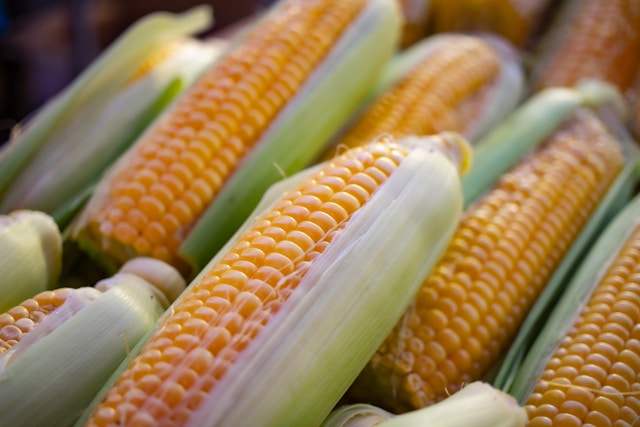
Kernel density and ear uniformity are the primary drivers of maize profit. We provide detailed "Check-Row" guides to help you identify nutrient deficiencies just by looking at leaf discoloration—from the purple edges of Phosphorus hunger to the yellow "V" of Nitrogen loss.

  • Row Spacing vs. Light Interception
  • Rootworm Management Protocols
  • Silo Aeration Techniques

Latest Government Schemes

Official and farmer-focused government schemes, subsidies, and financial support programs to help you reduce costs and increase income.

Pradhan Mantri Kisan Samman Nidhi (PM-KISAN)

New

Lorem ipsum dolor sit amet consectetur adipisicing elit. Provides income support of ₹6,000 per year to eligible farmers.

Benefit

₹6,000 / year

Eligibility

Small & Marginal Farmers

View Scheme Details

Kisan Credit Card (KCC)

Popular

Lorem ipsum dolor sit amet consectetur adipisicing elit. Provides affordable credit for agricultural and allied activities.

Loan Type

Short Term Credit

Interest

Subsidized

Learn More

Stay Updated with Our Farming Tips

Subscribe to our newsletter and receive the latest agriculture news, crop guides, seasonal tips, and government schemes directly in your inbox.

We respect your privacy. No spam, ever.

Expert Support

Common Inquiries.

While professional lab testing is best, you can perform a "Visual Evaluation of Soil Structure" (VESS). Our guide covers how to identify dark, crumbly aggregates that indicate high carbon sequestration. For precise numbers, we recommend a dry combustion test every 3 years.
For long-term storage, wheat should be at 12.5% to 13.5% moisture. Anything above 14% significantly increases the risk of mold (mycotoxins) and heat damage. We recommend using a digital moisture meter calibrated specifically for your grain variety.
It is common to see a slight 5-10% yield dip in Year 1 as the soil biology resets. However, by Year 3, the increased water retention and natural aeration usually result in yields that match or exceed conventional tillage, with 60% lower fuel and labor costs.
Yes. We provide a bridge to international buyers. Once your grain passes our quality and moisture certification, you can list your harvest in our global marketplace. We handle the logistics and documentation to ensure you get premium market rates.